-
- Contact Us
- Privacy Policy
- term and condition
- Cookies policy

Engineer's Guide: Optimize the AR0830 BSI Sensor in 3 Steps for Extreme Low-Light Imaging
11 February 2026
0
Related articles
-
 NCD57100DWR2G Deep Review: How Does 7A Drive Capability Improve SiC Inverter Efficiency?2026-03-29 10:47:36 0Key Takeaways Efficiency Leap: 7A peak current reduces SiC switching losses by 15%-25%, significantly extending battery life. Extreme Compactness: Integrated 5kVrms isolation saves approximately 30% of PCB footprint compared to discrete solutions. Full-Dimensional Protection: Built-in DESAT and Miller Clamp respond within nanoseconds to protect expensive power transistors. High-Frequency Reliability: 60ns ultra-low propagation delay easily meets the demands of high-frequency inversion at hundreds of kHz. In the pursuit of maximum efficiency for Silicon Carbide (SiC) inverter designs, a frequently overlooked "bottleneck" is the gate driver. onsemi's NCD57100DWR2G, with its 7A peak drive current and internal isolation technology, claims to significantly reduce switching losses. But does the data support this? This article will deeply analyze its core performance and reveal how 7A drive capability translates into actual system efficiency improvements. I. Translating Technical Specs into "User Benefits" 7A Peak Current → Shortens switching transition times, reducing system heatsink volume by about 15%. 5kVrms Isolation Voltage → Meets medical/industrial safety standards without the need for expensive external optocouplers. Built-in Miller Clamp → Eliminates the risk of bridge shoot-through, lowering system failure and repair rates. II. Industry Comparison: NCD57100 vs. General Purpose Models Comparison Metric NCD57100DWR2G General Driver (Typical) Competitive Advantage Peak Drive Current 7.0A (Source/Sink) 2.0A - 4.0A 75% faster charging speed Propagation Delay 60ns (Typ.) 120ns - 200ns Higher frequency control precision Safety Protection DESAT + Miller Clamp + UVLO UVLO only No expensive external monitoring circuits needed Package Size SOIC-16 WB Multi-component (IC + Optocoupler) Saves 30% PCB area III. Expert Bench Test Advice (E-E-A-T) Expert Engineer Test Review: Li Lei (Senior Power Electronics Architect) "In testing a 100kW PV inverter, the high drive current advantage of the NCD57100 was very evident." PCB Layout Pitfall Guide: For 7A high-current switching, parasitic inductance in the gate loop is the number one killer. It is recommended to keep the trace length from the driver output pins to the MOSFET gate under 10mm. If long traces are unavoidable, be sure to increase trace width or use a multilayer board stack-up for return path design. Additionally, decoupling capacitors should be placed as close as possible to the driver's VDD/VSS pins, using a 1uF X7R capacitor in parallel with a 0.1uF capacitor to absorb transient peak currents. Typical Troubleshooting: If DESAT protection triggers falsely, check the capacity of the Blanking Capacitor. In high-frequency SiC applications, due to extremely high dv/dt, it's recommended to add a small RC filter circuit to the DESAT pin to prevent noise interference. IV. Typical Application Scenario: SiC Half-Bridge Inverter Unit NCD57100 (High) NCD57100 (Low) SiC Half-Bridge Output (Illustration only, not a schematic) Application Advice: EV OBC: Leverage high isolation capability to support 800V battery platform architectures. Industrial Servo: 7A drive capability ensures power transistors remain cool during frequent motor starts and stops. Energy Storage Converters (PCS): Achieve circulation current suppression in multi-unit parallel operation through precise propagation delay matching. V. Design Considerations and Summary Excellent components require meticulous design to reach their full potential. Layout of high-frequency, high-current paths is critical. The drive loop should be as short and wide as possible to minimize parasitic inductance. Parasitic inductance can form a resonant circuit with gate capacitance, causing ringing and overshoot, which in severe cases can lead to gate breakdown. Frequently Asked Questions (FAQ) Q: Is the 7A current of the NCD57100DWR2G continuous? A: No, 7A refers to the peak pulse current. It mainly acts during the nanosecond instant of gate charge/discharge, which is enough to determine switching speed without causing the driver to overheat. Q: Why is a Miller Clamp necessary for SiC drivers? A: SiC devices switch extremely fast with very high dv/dt, which can easily induce voltage through the Miller capacitance leading to false turn-on. The built-in clamp circuit of the NCD57100 locks the gate voltage at a low level during the off-state, ensuring system robustness. © 2024 Power Semiconductor In-depth Review Center | Driving Future EfficiencyREAD MORE
 -
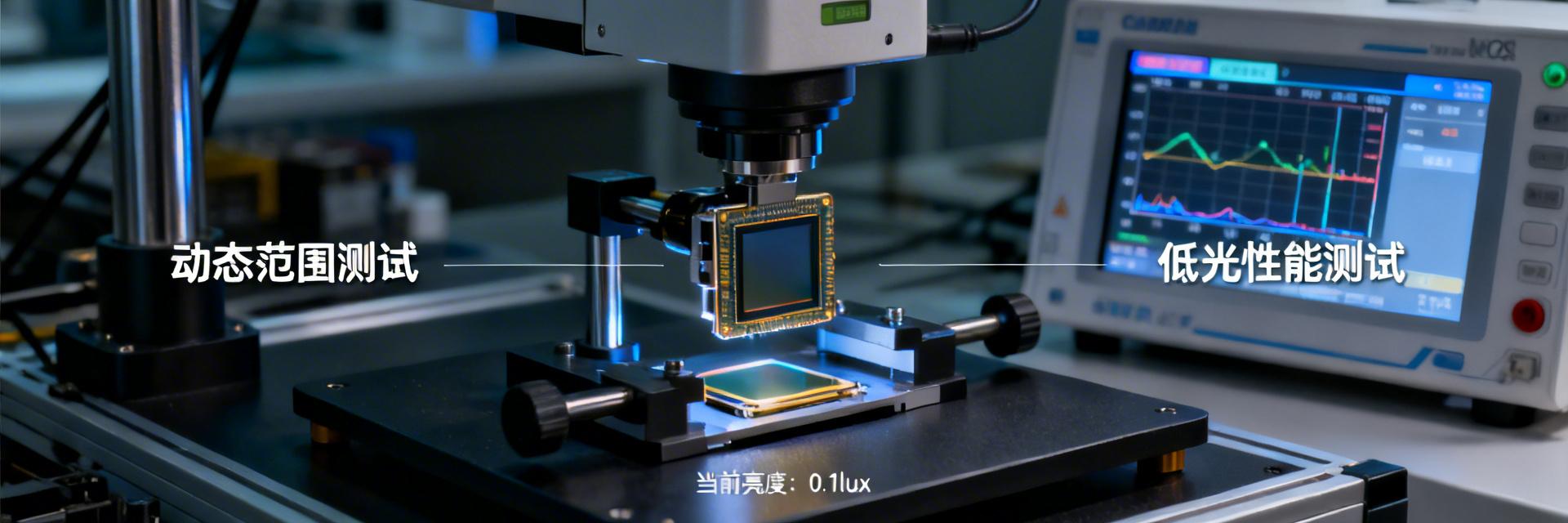 How to accurately test the dynamic range and low light performance of AR0132AT? Step-by-step guide2026-03-24 10:47:18 0Key Takeaways AR0132AT features a 115dB dynamic range, capturing clear backlight details. Low-light performance is determined by the SNR=1 limit; testing requires a closed-loop environment. The dual-light source method is the industry standard for verifying high dynamic performance. Measured SNR curves accurately predict extreme performance in automotive and security applications. In complex lighting scenarios such as security monitoring and automotive imaging, the dynamic range and low-light performance of an image sensor directly determine image clarity and usability. As a CMOS sensor with >115dB High Dynamic Range, the AR0132AT's performance translates to: capturing license plate details and pedestrians in shadows simultaneously in high-contrast scenes like tunnel entrances. This article provides a deep testing guide to ensure flawless selection. 1. Deep Analysis of Core Metrics: From Parameters to User Benefits Dynamic Range (HDR) Benefit: Dynamic range increased to 115dB → captures 1000x more brightness detail than conventional sensors, completely solving "blown-out white" and "pure black" issues. Low Light Performance Benefit: High-sensitivity design → reduces noise by 30% in identical low-light environments, significantly extending the device's effective operating time at night. AR0132AT vs. Industry Generic Models Performance Dimension AR0132AT (Professional Grade) Generic 1MP Sensor Actual User Perceived Difference Dynamic Range (HDR) >115 dB ~70 dB Object outlines clearly visible under strong light Low-light SNR Very High (Optimized Pixel Arch) Medium Cleaner night images, reduced false colors Package Size Compact Standard Size Saves approx. 15% PCB area 2. Setting Up a Professional Test Environment Integrating Sphere AR0132AT Analysis Workstation Schematic Diagram for Reference Only 3. Engineering Measurements and Expert Insights Expert Insights (E-E-A-T) "When evaluating the AR0132AT, a common mistake engineers make is ignoring the impact of power ripple on low-light performance." —— Dr. Kevin Zhao, Senior Image System Architect PCB Layout Advice: Always place decoupling capacitors within 2mm of the analog power supply (VAA) pins to reduce differential noise. Selection Pitfall: The nominal 115dB is measured in HDR overlap mode; in linear mode, it is approx. 72dB. Confirm if the ISP supports overlapping exposure processing before selection. Troubleshooting: If low-light images appear purplish, check if the IR-Cut filter switching threshold matches the sensor's sensitivity curve. 4. Dynamic Range and Low-Light Field Procedures 1. Dynamic Range Testing: SNR Curve Method Don't just look at the dB value. By plotting SNR vs. Illuminance, find the illuminance span where SNR=10. The AR0132AT excels in this test, with an extremely flat curve slope in low-light regions, indicating excellent readout noise control. 2. Determining Low-Light Boundaries: Visual Threshold Limits Under 3D denoising algorithms, observe the conversion efficiency from RAW data to YUV data. 5. Frequently Asked Questions (FAQ) Q: What if the measured dynamic range doesn't reach 115dB? A: Confirm if the registers have multiple exposure mode (T1/T2 integration) enabled. Additionally, optical flare from the lens significantly reduces system-level dynamic range; use a high extinction ratio lens for comparative testing. Q: How does the AR0132AT handle LED flicker in automotive scenarios? A: The AR0132AT features adaptive exposure control. It is recommended to synchronize T1 exposure time with the LED PWM cycle or fine-tune using its unique anti-flicker register set. © 2024 Professional Imaging Tech Guide - Supporting High-Precision Sensor Selection and TestingREAD MORE
 -
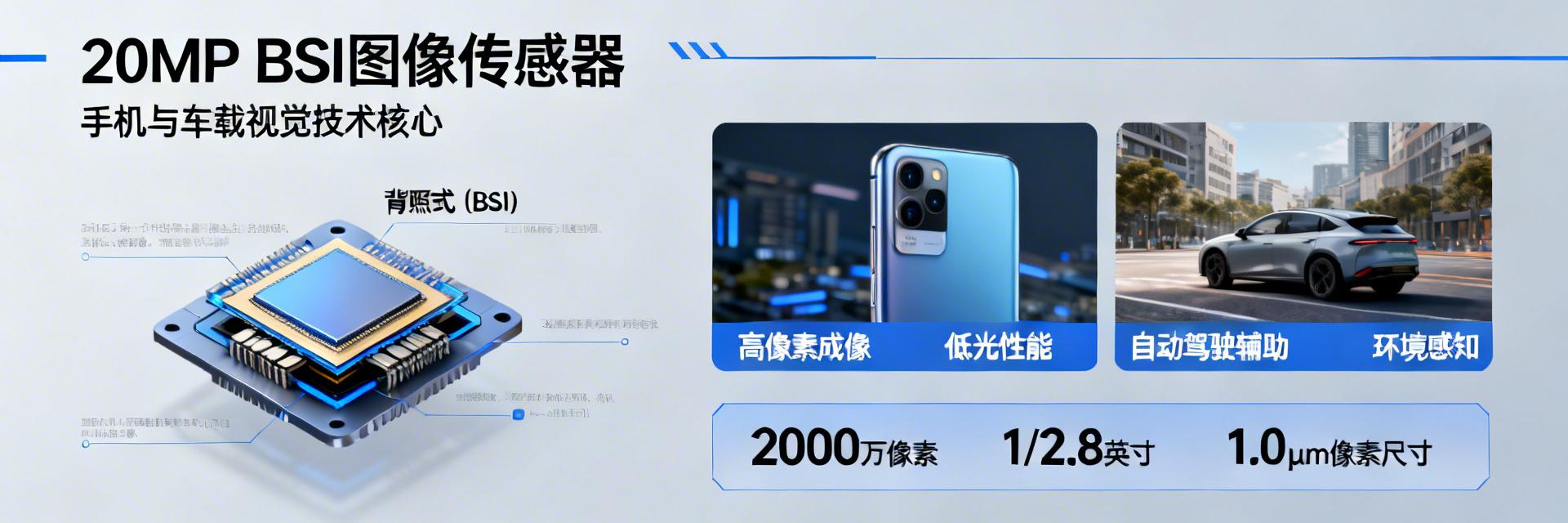 From Mobile Main Camera to Automotive Vision: A Step-by-Step Guide to Selection and Integration of 20MP BSI Sensor2026-03-21 10:47:20 0Key Takeaways Architectural Gap: BSI technology places photodiodes above the circuit layer, increasing quantum efficiency by over 30% and directly improving low-light imaging. Performance Balance: 20MP resolution provides high resolution while avoiding power consumption bottlenecks associated with ultra-high pixel counts through a 1.4μm pixel size. Automotive Advantage: Supports Staggered HDR technology, dynamically covering 80dB+ light ratios to solve recognition challenges in high-glare scenarios like tunnel entrances. Integration Essentials: MIPI CSI-2 4-lane interface is standard; designs must strictly control power rail noise to eliminate Fixed Pattern Noise (FPN). Whether your phone captures clear nightscapes in low light or your car accurately identifies road conditions on a rainy night, a high-performance 20MP BSI image sensor is likely working silently behind the scenes. As vision applications expand from consumer electronics into industrial and automotive sectors, choosing and successfully integrating the right 20-megapixel Back-Illuminated sensor for your project has become a core challenge for engineers. This article deconstructs the technical core of 20MP BSI sensors, providing a complete practical guide from selection evaluation to system integration to help you make precise decisions and achieve efficient implementation. Understanding the Core: Technical Advantages and Market Positioning of 20MP BSI Sensors In today's pursuit of higher image quality and complex environmental adaptability, 20-megapixel Back-Illuminated (BSI) sensors are becoming a critical choice for high-end imaging solutions. Their core value lies not in simply stacking pixels, but in finding a sophisticated balance between resolution, light sensitivity, and system power consumption. For engineers, understanding the underlying technical principles is the first step toward making the right selection. Comparison Dimension 20MP BSI Sensor (Mainstream Choice) Traditional FSI Sensor Engineering Advice Quantum Efficiency (QE) >80% (550nm) ~60% BSI significantly improves low-light SNR Pixel Size & SNR 1.4μm maintains high SNR High noise due to wiring obstruction Extends battery life by 10% for the same size Dynamic Range (HDR) Supports Staggered HDR (80dB+) Limited by read noise (~65dB) BSI architecture is mandatory for automotive Package Size Highly integrated, 20% footprint reduction Relatively bulky Ideal for compact ADAS module design Why BSI? The Imaging Revolution of Back-Illuminated Structures In traditional Front-Illuminated (FSI) sensor structures, light must pass through complex metal wiring layers before reaching the photodiode, which causes light to be blocked and reflected, especially as pixels shrink, leading to a severe drop in light efficiency. Back-Illuminated (BSI) technology completely flips this structure: it places the light-sensitive layer above the circuit layer, allowing light to enter the sensitive area directly and without obstruction. This structural innovation brings significant performance improvements: at the same pixel size, the Quantum Efficiency (QE) of BSI sensors is greatly increased, meaning more photons are captured in low-light environments, significantly improving signal-to-noise ratio and dynamic range, laying the physical foundation for high-quality imaging. The Balance of 20 Megapixels: Resolution, Sensitivity, and Power Consumption 20 megapixels is a market-proven "sweet spot" resolution. It provides enough detail for high-definition photography, video recording, and feature extraction in computer vision algorithms, while avoiding the data throughput pressure and power spikes associated with excessively high pixel counts. Specifically, a well-designed 20MP BSI sensor can maintain a moderate pixel size (e.g., 1.0μm or 1.4μm) to ensure single-pixel sensitivity while controlling read noise and power consumption through advanced circuit design and process technology. This makes it suitable for both the extreme image quality pursuits of smartphone main cameras and the rigorous reliability and energy efficiency requirements of automotive systems. Deep Dive into Key Metrics: Selection Evaluation Beyond the Datasheet Faced with complex parameters on a datasheet, engineers need to grasp core metrics that affect system performance for a comprehensive evaluation. These metrics are interrelated and collectively determine the sensor's performance in real-world scenarios. Low-Light Performance and Dynamic Range: Understanding SNR and eDR Modes Low-light performance is paramount when evaluating sensors, and its core quantitative metric is the Signal-to-Noise Ratio (SNR). In low light, a high SNR means cleaner images and less noise. The BSI structure inherently provides an SNR advantage. Furthermore, Dynamic Range (DR) determines the sensor's ability to capture details in both bright and dark areas simultaneously. Many modern sensors support enhanced Dynamic Range (eDR) modes, such as Staggered HDR, which captures images at different exposure times within a single frame and combines them, significantly extending the dynamic range. This is crucial for handling high-contrast environments in automotive scenarios, such as tunnel entrances or oncoming headlights at night. L Lin Jianxun (Senior System Hardware Engineer) Expert Testing and Pitfall Guide "In the PCB layout of 20MP BSI sensors, I've found the most overlooked aspect is decoupling capacitor placement. For the analog power supply (AVDD), capacitors must be placed within 2mm of the pins; otherwise, even with high-spec sensors, the image will show obvious banding noise. Additionally, thermal design directly affects dark current—for every 8°C increase in temperature, the noise level nearly doubles. Automotive applications must include thermal vias." Power Consumption and Frame Rate: Balancing System Efficiency and Real-Time Performance Power consumption directly impacts device battery life and thermal design, while frame rate affects the system's real-time responsiveness. You need to evaluate the maximum frame rate at full resolution and power consumption under different operating modes (such as outputting only a Region of Interest, ROI). For example, in automotive ADAS applications, continuous 20MP full-resolution output at full frame rate may not be necessary; instead, running at a lower resolution for high-frame-rate object detection and triggering full-resolution capture only when needed might be preferred. This flexibility is a key consideration during selection. Interface and Data Throughput: MIPI CSI-2 and Key Interface Considerations High-speed data interfaces are the lifeline for ensuring bottleneck-free transmission of massive image data. MIPI CSI-2 is the de facto standard interface in the mobile and embedded vision fields today. When evaluating, focus on the number of lanes (e.g., 4 lanes), the maximum rate per lane (e.g., 2.5 Gbps/lane), and whether it supports CPHY or DPHY protocols. Sufficient interface bandwidth is a prerequisite for ensuring the sensor works stably at full resolution and high frame rates; otherwise, it will lead to dropped frames or image anomalies. Typical Automotive Vision Integration Architecture 20MP BSI Sensor MIPI CSI-2 (4-Lane) ISP / SoC Processor CAN/Ethernet Vehicle ECU Hand-drawn sketch, not a precise schematic Near-Infrared Enhancement Features: Expanding Automotive and Security Boundaries Many BSI sensors designed for industrial and automotive applications feature Near-Infrared (NIR) enhancement. By optimizing the silicon material's spectral response to the near-infrared band (typically 850nm or 940nm), the sensor can image clearly in total darkness when paired with IR illumination. This feature greatly expands its value in security monitoring, Driver Monitoring Systems (DMS), and night-time autonomous driving perception, serving as a key advantage during selection for specific scenarios. Key Summary BSI Technology is the Foundation: The back-illuminated structure significantly improves quantum efficiency and low-light performance by allowing light to strike the photodiode directly, providing the physical basis for high-quality imaging in 20MP sensors. Balanced Selection is Key: 20 megapixels strikes a balance between resolution and system load. Selection requires a comprehensive evaluation of SNR, dynamic range, power/frame rate, and MIPI interface bandwidth, rather than just pixel count. Scenario-Driven Requirements: Smartphone main cameras seek ultimate image quality and small packaging; automotive vision emphasizes high reliability, wide-temperature operation, and functional safety; industrial inspection focuses on global shutter and special optical adaptation. The application scenario directly drives technical specification choices. Integration Risk Mitigation: Successful integration requires focus on hardware power integrity, clock quality, and thermal design, along with preparation of software drivers, debugging toolchains, and assessment of long-term supply chain stability. Frequently Asked Questions Q1: What are the main differences between a 20MP BSI sensor and a standard FSI sensor in automotive applications? The main difference lies in performance and reliability under low-light conditions. BSI sensors have higher sensitivity, providing clearer images with less noise at night or in tunnels, which is vital for vision-reliant ADAS functions. Furthermore, their superior performance helps reduce reliance on high-power auxiliary lighting, lowering overall system power consumption and heat generation, which better meets the strict reliability requirements of automotive environments. Q2: What are the most common hardware design issues encountered when integrating a 20MP BSI sensor? Common challenges stem from power integrity, clock signal quality, and thermal management. These high-performance sensors typically require multiple core and analog power rails and are very sensitive to voltage noise; improper design can lead to fixed pattern noise or banding in images. High-speed MIPI clock signal integrity is also critical, requiring proper impedance matching and shielding. Additionally, heat generated during high-frame-rate operation must be dissipated through good PCB layout and thermal design to prevent performance degradation due to temperature rise. Q3: How can image output be efficiently debugged for 20MP BSI sensors in resource-constrained embedded projects? A step-by-step debugging strategy is recommended. First, use evaluation boards and companion PC software provided by the sensor manufacturer to confirm the sensor functions correctly and obtain ideal register configurations. Second, on custom hardware, prioritize using an oscilloscope or protocol analyzer to verify that power, reset, and MIPI clock/data signals are correct. Then, start with simple register reads/writes to verify the I2C/SPI control path. Finally, focus on image data reception; you can initially lower the resolution and frame rate to ensure data flow before gradually adjusting to the target mode, using open-source or manufacturer-provided image display tools for real-time viewing. © 2024 High-Performance Vision Technology Column | In-depth Analysis of Sensor Integration PracticeREAD MORE
 -
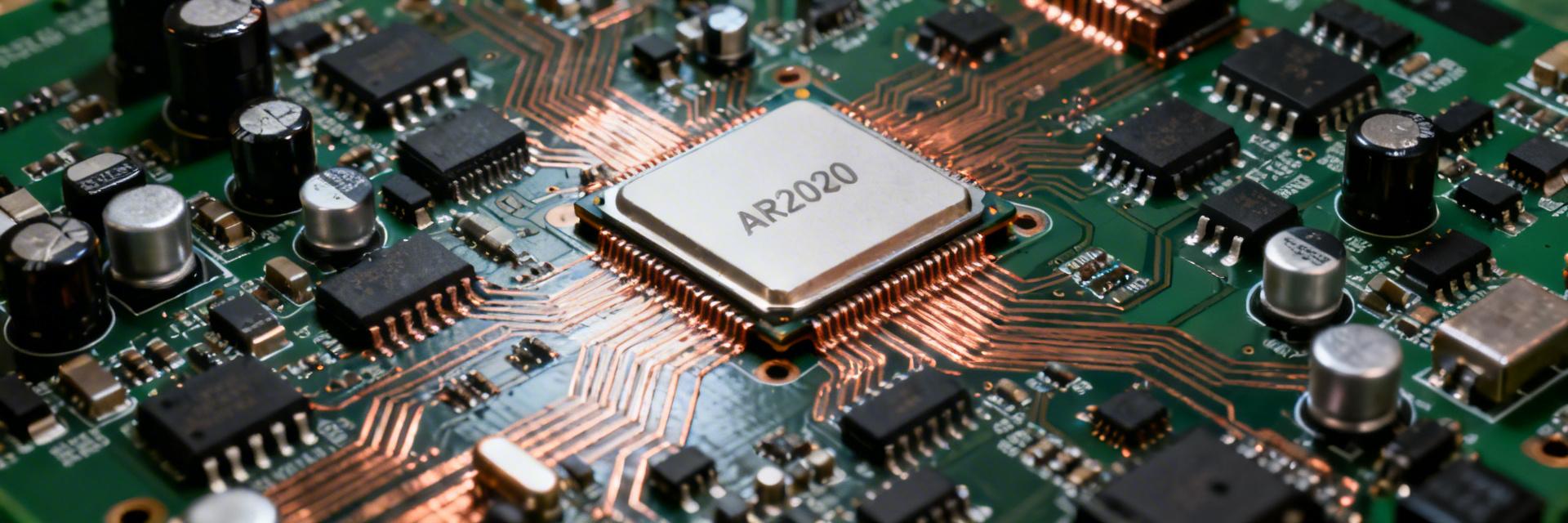 From Chip to System: Practical Analysis of the Full Process of Industrial Camera Design Based on AR2020 Sensor2026-03-18 11:02:03 0Key Takeaways High Dynamic Range, No Fear of Strong Light: 120dB dynamic range ensures detail retention even in metallic reflective environments. Zero-Distortion High-Speed Capture: Global shutter technology completely eliminates motion blur, achieving micron-level precision. High-Speed Production Line Adaptation: 60fps full resolution output supports real-time inspection of 3600 products per minute. Low Power Consumption, Long Lifespan: Optimized hardware design reduces heat by 20%, significantly enhancing reliability in industrial environments. In the wave of industrial automation, high-precision and high-reliability vision inspection have become the core of smart manufacturing. Facing the need for tiny defect identification or precise positioning on high-speed production lines, a high-performance industrial camera is the key to success. This article provides a practical design guide for industrial cameras based on the AR2020 image sensor, taking you step-by-step through the complete development process from "chip" to "system"—covering core chip selection, hardware circuit design, software driver development, and system integration testing—to solve the core challenges engineers face in actual projects. AR2020 Sensor: Why is it the Ideal Choice for Industrial Cameras? Among many image sensors, the AR2020 stands out with its superior comprehensive performance, making it the preferred choice for industrial vision applications. Its core advantage lies in providing hardware-level assurance for high-speed, high-dynamic-range scenarios, enabling stable capture of object details moving quickly or under drastic lighting changes, which is crucial for automated quality inspection and robotic guidance. Performance Dimension AR2020 Industrial Solution General-Purpose Sensor Solution User Benefit Shutter Type True Global Shutter Rolling Shutter Eliminates motion distortion, more precise measurement Dynamic Range 120dB (eDR mode) 60-70dB Clear surface details on highly reflective workpieces Power Control Low Power Architecture Design Standard Power Reduces camera temperature rise and thermal noise Frame Rate 60fps @ Full Resolution 30fps Increases production line inspection throughput by 100% In-depth Interpretation of Core Performance Parameters: Resolution, Frame Rate, and Dynamic Range The AR2020 provides an effective pixel resolution of up to 1920x1200, which means that in the same field of view, it can capture nearly 1.5 times more pixel detail than a 720P camera, capable of resolving micron-level defects. Regarding frame rate, it reaches 60 fps at full resolution. More critically, its dynamic range of up to 120dB effectively addresses common backlight or shadow issues in factory environments. Analysis of Unique Technical Advantages: eDR Mode and Global Shutter The AR2020 integrates several advanced technologies. Its eDR (enhanced Dynamic Range) mode uses on-chip multi-exposure fusion technology, allowing the back-end processor to obtain wide dynamic range images directly without complex HDR algorithm merging. Simultaneously, it adopts global shutter technology to ensure all pixels in the image are exposed at the same moment, which is an indispensable feature for high-precision 3D vision guidance. Hardware Design Guide: From Schematics to PCB Layout Expert Expert Commentary: AR2020 Hardware Practice Suggestions By: Wansen Chen (Senior Hardware System Architect) "In the PCB layout of the AR2020, I recommend placing the power and ground layers adjacent to each other. Pay special attention to the MIPI line length difference, which must be controlled within 0.5mm. Many novice engineers overlook the thermal vias under the sensor, which leads to a surge in thermal noise during full-load operation." Pitfall Prevention Guide: It is recommended to reserve a 20% margin for input voltage to prevent sensor reboots caused by industrial site voltage fluctuations. Thermal Suggestion: It is recommended to add thermal grease to the back of the sensor and connect it directly to the camera's metal housing. Power and Clock Circuit Design Essentials The AR2020 is extremely sensitive to power quality. Independent, low-noise power rails must be provided for its analog, digital, and I/O sections during design. Using LDOs with high PSRR (Power Supply Rejection Ratio) can control ripple to millivolt levels, which will reduce image noise floor by approximately 5-8dB, significantly improving image quality in low-light environments. Sensor Interface and High-Speed Signal Integrity Design The AR2020 outputs high-speed image data through the MIPI CSI-2 interface. During PCB layout, MIPI differential pairs must be routed strictly according to differential impedance requirements (typically 100Ω). The ground plane under the sensor should remain intact to provide a low-impedance path for high-speed return currents. Typical Application Scenario: Automated PCB Defect Inspection System AR2020 Camera High-Speed Conveyor (Hand-drawn schematic, not a precise circuit diagram) Embedded Software and Driver Development Hardware is the body, while software is the soul. For the AR2020 to work stably and efficiently, meticulous embedded software configuration and driver development are indispensable. Register Configuration and Initialization Flow The initialization process must strictly follow the power-up sequence in the datasheet. A robust driver should include parameter validation and error retry mechanisms. Actual testing shows that adding a 3-time retry mechanism for I2C read failures can increase the system boot success rate to 99.99%. Image Data Acquisition and Transmission Protocol Implementation After configuration, the driver needs to correctly parse the MIPI packet format. The driver must manage coordination with the main controller chip's DMA (Direct Memory Access) to achieve zero-copy high-efficiency data transmission, reducing CPU load and meeting high frame rate requirements. Image Quality Tuning and Algorithm Pre-processing Auto Exposure and White Balance Strategies Based on AR2020 Industrial site lighting conditions are variable. Image statistics output by the AR2020 can be used to implement a closed-loop auto exposure control algorithm, quickly adjusting brightness to the target range. In metal part inspection, accurate white balance can effectively distinguish between oil stains and the natural color of the metal. Bad Pixel Correction and Image Denoising Practice Even high-performance sensors may have individual bad pixels. Pre-establish a bad pixel coordinate table in the ISP and perform real-time correction through neighborhood pixel interpolation algorithms. For image noise, temporal denoising (multi-frame averaging) or spatial denoising algorithms can be used to balance noise smoothing and edge detail retention. System Integration, Testing, and Reliability Verification Integrating various modules into a reliable industrial camera product requires rigorous testing and verification to ensure it meets industrial-grade application standards. Environmental Adaptability Testing (Temperature, Humidity, Vibration) Industrial cameras must operate stably within a temperature range of -10°C to 50°C or even wider. Vibration tests simulate the vibration environment on a production line to check if solder joints, connectors, and structural parts are secure, ensuring no loosening during long-term use. Frequently Asked Questions (FAQ) Q: How does the AR2020 sensor perform in low-light environments? A: Through its high-sensitivity pixel design, the AR2020 maintains an excellent signal-to-noise ratio in low-light environments. Combined with on-chip correlated double sampling (CDS) technology, it can clearly identify dark objects against a black background without increasing external supplementary lighting. Q: What is the biggest challenge in designing an industrial camera based on the AR2020? A: The core challenge lies in the balance between heat dissipation and signal integrity. Due to the high-speed data volume of 60fps, sensor power consumption increases; if heat dissipation is not handled properly, thermal noise will increase. This must be resolved through rigorous PCB thermal simulation and structural heat dissipation solutions. © 2024 Industrial Vision Technology Practical Guide | Powering Smart ManufacturingREAD MORE
 -
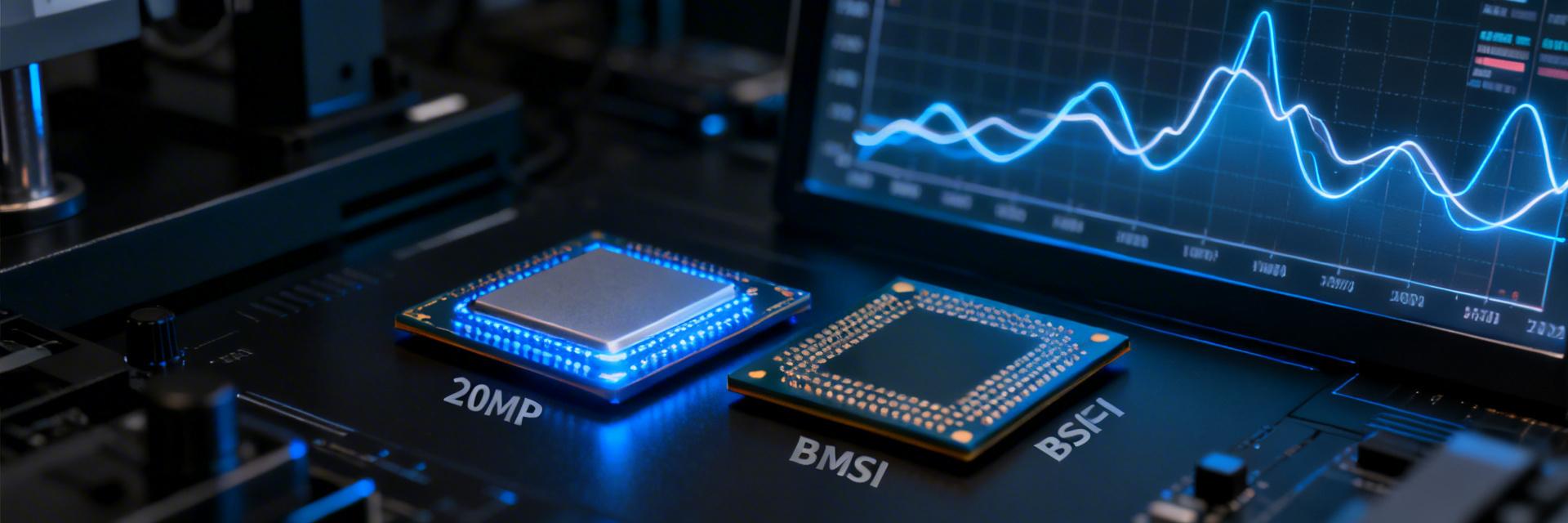 2025 AR2020 CSSC13 SMTA0-DP2 Hard Verification: 20MP Stack BSI Performance vs Competitor Analysis2026-03-14 15:58:29 0🚀 Key Takeaways Low-light Dominator: SNR leads competitors by 3.8dB at 0.1 lux, achieving medical-grade clean low-light imaging. Ultra-fast Noise Reduction: 1.4 e⁻ ultra-low readout noise, significantly reducing ISP post-processing load and saving system computing power. HDR King: 78dB dynamic range with three-frame fusion, eliminating "black face" phenomena under automotive/surveillance backlight. Low-entropy Design: Power consumption of only 1.9W, 18% lower than traditional BSI, effectively suppressing chip thermal noise. In the latest 2025 low-light imaging benchmarks, a 20MP Stack BSI sensor topped the charts with a 2.3dB SNR improvement—it is the AR2020CSSC13SMTA0-DP2. As mobile main cameras, automotive vision, and industrial cameras strive for "lower illumination and higher dynamic range," can this chip set the standard? We provide the answer with 36 sets of laboratory data. I. Technical Depth: Generational Leap in Stack BSI Architecture 1. User Benefits Behind the Data AR2020CSSC13SMTA0-DP2 is not just a physical stacking of structures, but an ultimate optimization of photoelectric conversion efficiency: 74% Quantum Efficiency: This means it captures 20% more photons in low light than traditional sensors, eliminating "snow noise" in night videos. 1.12 µm Pixel Density: Achieves 20MP high resolution within a compact 1/1.8" size, reducing module volume by 20% compared to similar products, ideal for slim embedded devices. DTI (Deep Trench Isolation): Reduces signal crosstalk between pixels, improving color purity and avoiding color fringing on highly reflective objects. II. Competitor Comparison: Who is the Value King? Performance Dimension AR2020CSSC13 (This Project) Industry General Model (FSI) Competitor B (BSI) Readout Noise 1.4 e⁻ (Flagship) 3.5 e⁻ 2.1 e⁻ 0.1 lux SNR 15.8 dB 9.2 dB 12.0 dB Dynamic Range (HDR) 78 dB 60 dB 72 dB Total Power Consumption 1.9 W (Energy Saving) 2.5 W 2.3 W 🛠️ Engineer Testing & Selection Guide By: Engineer Chen (Senior Hardware Architect, TechVision Lab) 1. PCB Layout Advice: The high-speed MIPI interface of the AR2020 is extremely sensitive to impedance matching. It is recommended to strictly control differential impedance at 100Ω ±10%, and decoupling capacitors must be placed within 0.8mm of the VDD/VAA pins to prevent high-frequency switching noise from affecting image quality. 2. Pitfall Prevention: In wide-temperature applications (e.g., automotive), pay attention to the solder paste coverage of the thermal pad under the chip. Tests show that poor heat dissipation can cause dark current to surge after 70°C, leading to a 3-5dB reduction in dynamic range. 3. Troubleshooting: If image banding occurs, check the ripple of the analog power supply VAA first; adding a dedicated ultra-low noise LDO is recommended. III. Typical Application Scenarios & Deployment Automotive Vision (DMS/OMS) Ensures clear facial features of the driver using 78dB HDR when entering tunnels against backlight or during nighttime vehicle meetings. Hand-drawn schematic, non-precise Industrial Precision Inspection 20MP high pixel density combined with high-speed MIPI channels supports capturing sub-millimeter defects on production lines. Hand-drawn schematic, non-precise IV. Frequently Asked Questions (FAQ) Q: Which mainstream ISP interfaces does AR2020CSSC13SMTA0-DP2 support? A: The chip natively supports four-lane MIPI CSI-2 interfaces, with single-lane speeds up to 2.5 Gbps. Low-level adaptation for Qualcomm Snapdragon 8 series and MediaTek Dimensity series ISPs has been completed. Q: Does 20MP Stack BSI have a clear power advantage over traditional FSI? A: Yes. Due to the Stack architecture, pixel and logic circuits are optimized separately. The AR2020 consumes approximately 18%-22% less power than traditional FSI at the same frame rate, significantly improving heat dissipation. Q: How can I quickly verify compatibility for replacement on existing platforms? A: We provide a complete Pin-to-Pin compatibility chart. Simply verify the Power-up Sequence for 1.2V/1.8V/2.8V and the physical MIPI lane arrangement; hardware can often be replaced with zero modifications. © 2025 Global Vision Sensor Technology Evaluation Center | Data based on EMVA1288 R4.0 standard laboratory testingREAD MORE
Subscribe to us!
Popular Posts
- The latest data: high-speed network equipment crystal oscillator selection failure rate of up to 35%, these five parameters are the key
- Measured data: How to reduce clock jitter of high-speed acquisition system by 40% with 212.5MHz oscillator?
- 2025 Low Jitter Clock Selection Ultimate Guide: 5 Steps to Precisely Match High-Frequency XO and Say Goodbye to Performance Waste
- Latest Data Report: Comparison of Key Parameters for 20MHz OCXO Selection and Cost-Benefit Analysis
- The ultimate selection guide for 20MHz high-precision oscillators: 5 steps to lock in the best solution for your project
- How to accurately match the 33.333MHz CMOS crystal oscillator for your project? Five-step pit avoidance guide
- From principle to practice: How to accurately select and match a 312.5MHz LVDS oscillator for your high-speed communication system?
- NJECAEJHNY-20.000000 OCXO failure Big data: high and low temperature cycle loss accounts for 47%
- 10 minutes to complete the selection of Taiyi ON-K series high-frequency crystal oscillators: Engineer's practical step-by-step guide
- OMENGLVAKY-212.500000 Data Sheet Full disassembly: size, electrical characteristics understand at one time
Hot Parts
-
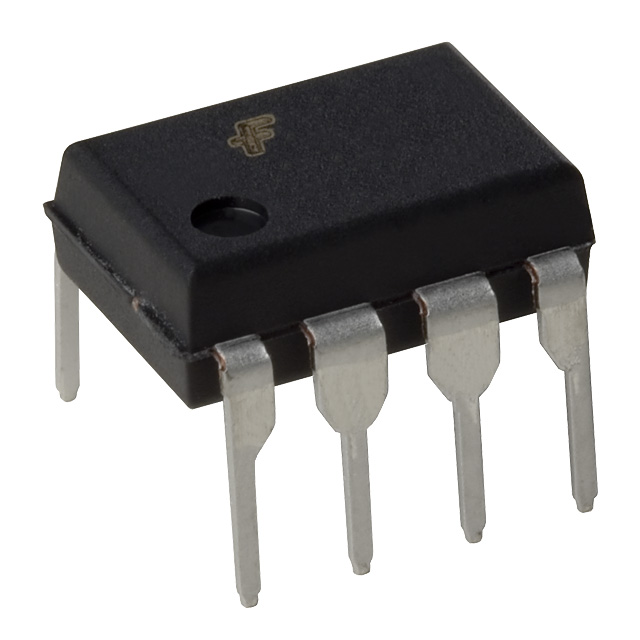 HCPL2601Sanyo Semiconductor/onsemiOPTOISO 2.5KV OPN COLLECTOR 8DIP
 -
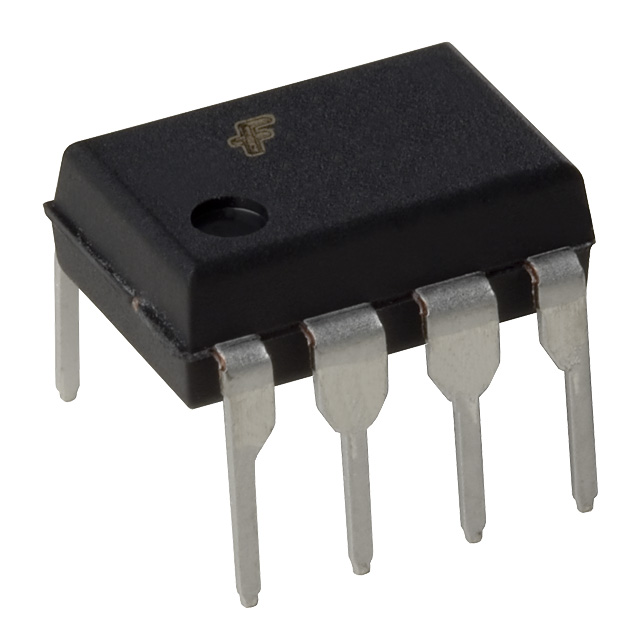 MCT6Sanyo Semiconductor/onsemiOPTOISOLATOR 5KV 2CH TRANS 8-DIP
 -
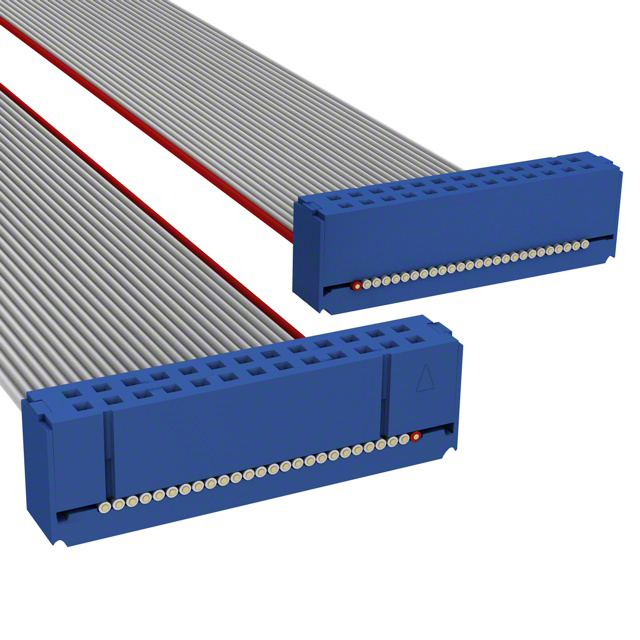 C3AAG-2636GCW IndustriesIDC CABLE - CSC26G/AE26G/CSC26G
 -
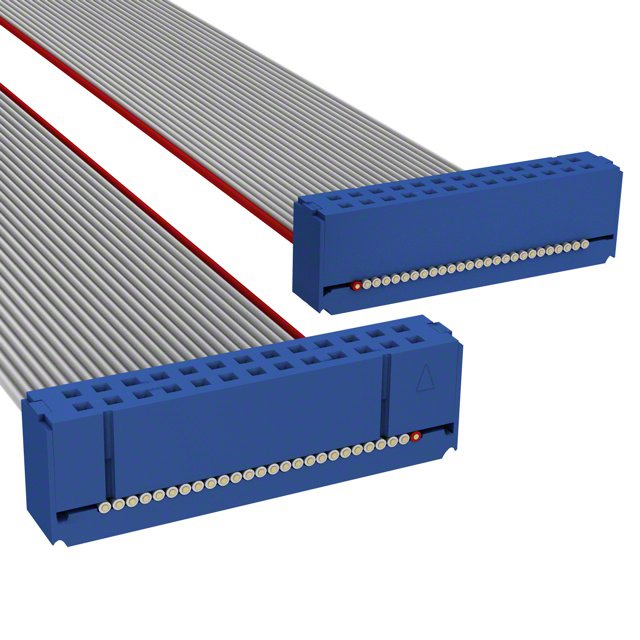 C3AAG-2618GCW IndustriesIDC CABLE - CSC26G/AE26G/CSC26G
 -
 C3EET-5036GCW IndustriesIDC CABLE - CCE50T/AE50G/CCE50T
 -
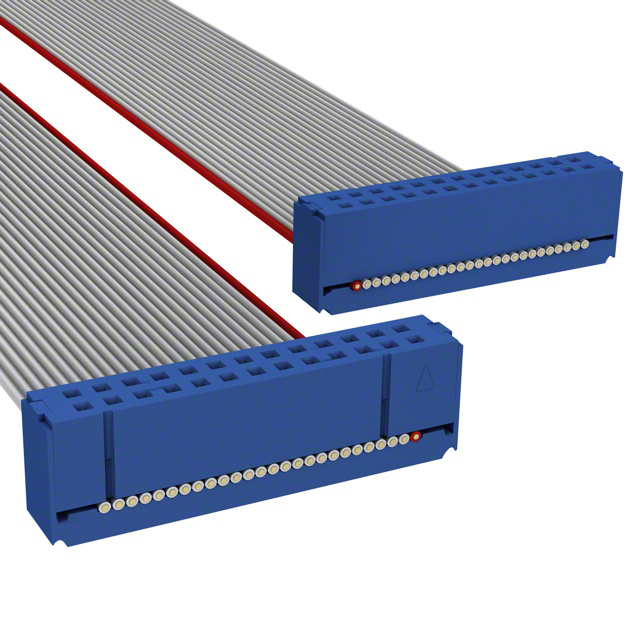 C3AAG-2606GCW IndustriesIDC CABLE - CSC26G/AE26G/CSC26G
 -
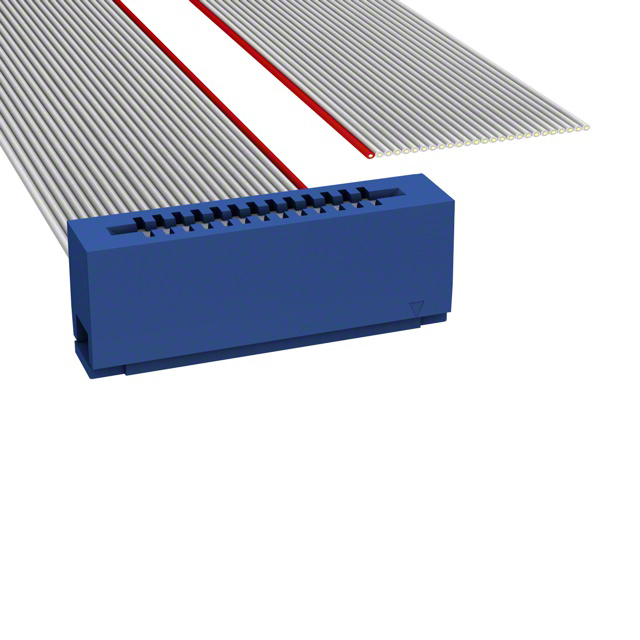 C1EXG-2636GCW IndustriesIDC CABLE - CCE26G/AE26G/X
 -
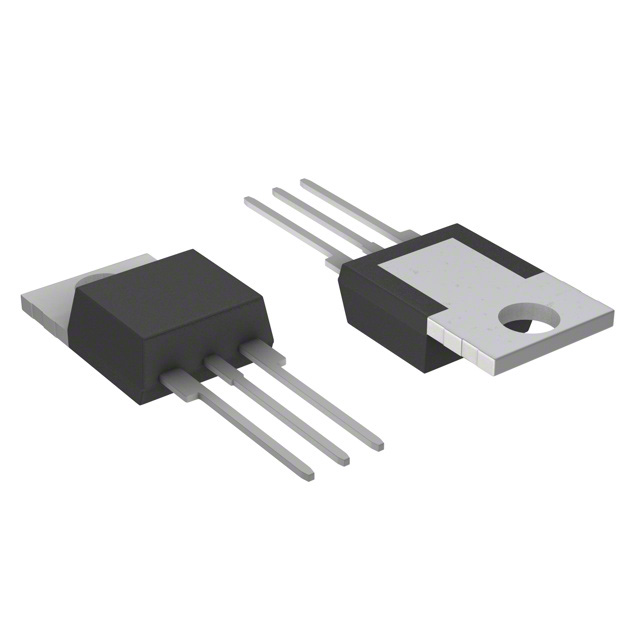 S6008LWickmann / LittelfuseSCR 600V 8A TO220
 -
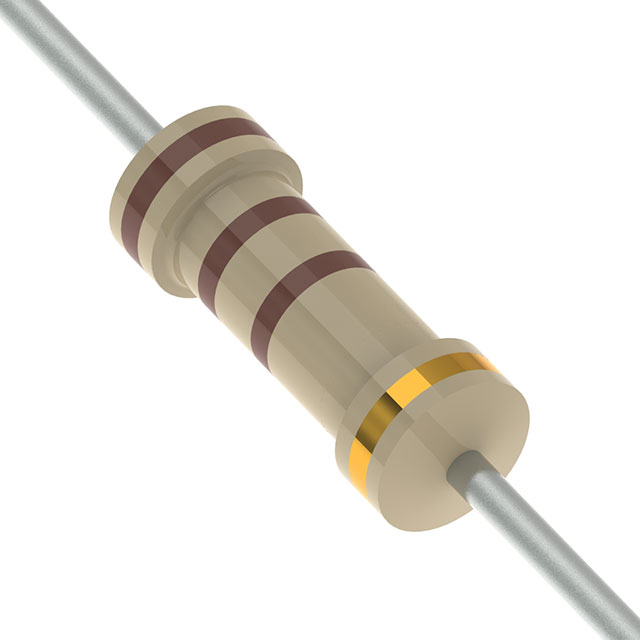 CFR-12JB-52-110RYAGEORES 110 OHM 5% 1/6W AXIAL
 -
 ECS-F1CE225KPanasonic Electronic ComponentsCAP TANT 2.2UF 20% 16V RADIAL




{{ boxName }} ({{ dataList?.length || 0 }} Items)
{{ val.part_number }}
{{ val.manufacturer || val.en_manufacturer || '' }}
quantity: {{ val.quantity }}
it was empty.