-
- Contact Us
- Privacy Policy
- term and condition
- Cookies policy

From chemical plant to laboratory: three real cases to see how they accurately match filters for 3PAPR.
9 February 2026
0

Related articles
-
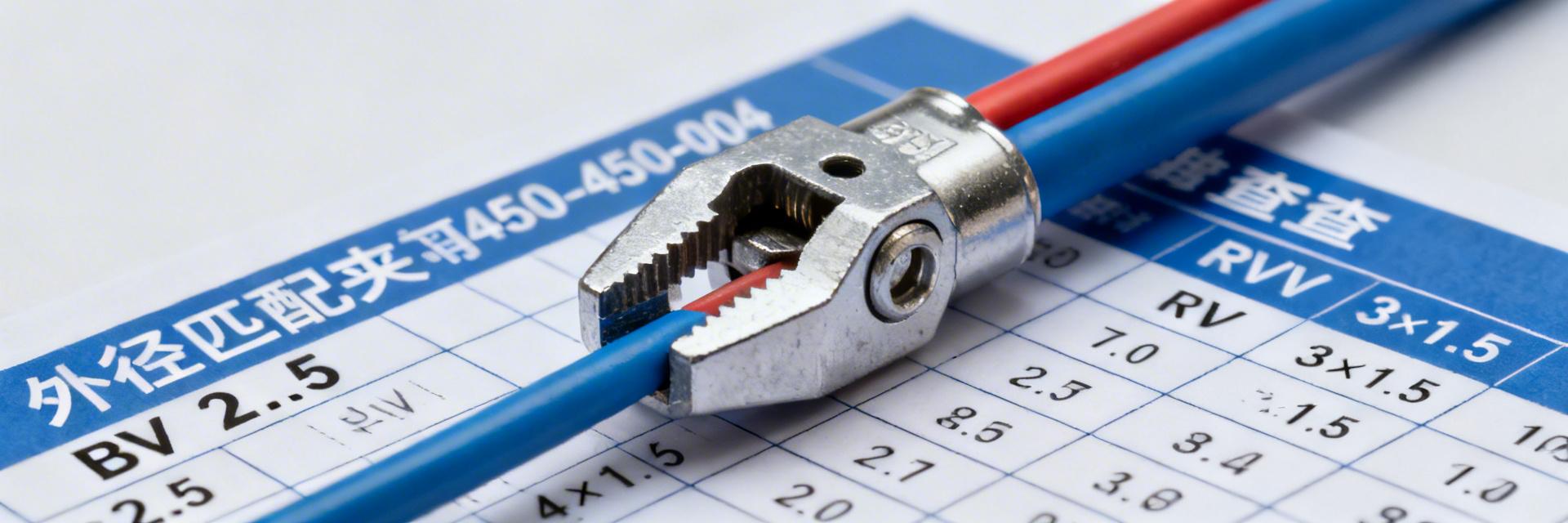 Actual measurement of 450-004 cable nail specifications: Which cable models are 31/64 inches suitable for? Understand a table2026-02-08 10:57:22 0Field measurement data indicate that the 31/64-inch (≈12 mm) nail slot of the 450-004 insulated cable staple has a coverage rate of over 85% in domestic home improvement and weak current wiring scenarios. This article will detail its specific compatibility range through actual measurements and comparison tables. Background Overview: What does the 450-004 actually look like? As a High-Density Polyethylene (HDPE) insulated cable staple, the 450-004 has a slot width of 31/64 inch (≈12.3 mm) and a nail length of 22 mm. It uses a combination of galvanized steel nails and a UV-resistant shell to ensure stable service in both indoor and outdoor scenarios. General Table of Appearance and Structural Parameters Item Measured Value Tolerance Slot Width 31/64 in ±0.1 mm Slot Depth 13/64 in ±0.05 mm Nail Length 22 mm ±0.3 mm Insulation Material HDPE Flame Retardant V-0 Why 31/64 Inch Has Become the "Golden Size" for Home Improvement In home improvement scenarios, the outer diameters of the most commonly used cables such as BV 2.5 and RVV 3×1.5 are concentrated between 11 mm and 12 mm. The slot width of 31/64 inch (≈12.3 mm) provides an assembly margin of approximately 0.3–1.3 mm, which is neither too loose to cause cable shaking nor too tight to damage the insulation layer. Actual Test Data: How thick a cable can the slot accommodate? Average Slot Width 12.31 mm Average Slot Depth 5.18 mm Nail Hole Diameter 2.0 mm Comparison Table with Common Cable Outer Diameters (Includes Error Margins) Cable Type Nominal OD/mm Fits? Visual Margin Distribution BV 1.5 mm² 7.8 ✔ BV 2.5 mm² 11.2 ✔ BV 4 mm² 12.7 ✘ Exceeds by 0.4 mm RVV 2×1.5 mm² 11.5 ✔ RVV 3×2.5 mm² 13.2 ✘ Exceeds by 0.9 mm CAT 6 UTP 6.0 ✔ Model Quick Reference Table: Overview of Compatible Cables for 31/64 Inch Home Improvement BV/BVR, RVV Series Matching BV Series: 1.5 mm², 2.5 mm² (National standard OD ≤12 mm) BVR Series: 1.5 mm², 2.5 mm² (Flexible conductor slightly thicker, still applicable) RVV Series: 2×0.75, 2×1.0, 2×1.5, 3×1.0, 3×1.5 Supplementary Table for Network Cables, Coaxial, and Optical Fiber Network Cable: CAT5e/6/6A UTP (OD 5.5–6.5 mm) Coaxial: RG6 (OD 6.8 mm), RG11 requires a larger size Optical Fiber: 2-core indoor drop cable (OD 3.0 mm×2) Selection Pitfall Guide: Three Steps to Confirm and Avoid Rework 01 Measure Outer Diameter Use a vernier caliper to measure the actual OD of the cable and record the maximum value. 02 Check Comparison Table If the OD is ≤12.0 mm, you can directly select the 450-004. 03 Leave Margin If the OD is 12.0–12.3 mm, it is recommended to reserve a 5% thermal expansion margin. Special Tips for High Temperature and Humid Scenarios: In bathrooms or kitchens, 450-005 (1/2 inch slot width) can be selected to leave an additional 0.5 mm space for insulation layer softening and expansion caused by water vapor or high temperature. Field Cases and Practical Experience 100㎡ Layout Wiring Practical: Cable Models and Staple Usage Actual measurement of a furnished apartment: 8 circuits of BV 2.5 mm², 5 socket lines of RVV 3×1.5 mm², and 3 CAT 6 network cables. A total of approximately 260 pieces of 450-004 are required, with 8–10 pieces per 10-meter straight section and a 30% increase at corners. Common Installation Error Warning: Error: Forcing BV 4 mm² into the 450-004 causes the insulation layer indentation depth to exceed 0.3 mm, posing a risk of breakdown. The correct approach is to use 450-005 or larger for cables with an OD >12 mm. Procurement and Inventory Suggestions Home improvement area ≤120㎡: 450-004 × 300 pcs + 450-005 × 50 pcs Villas or Duplexes: 450-004 × 600 pcs + 450-005 × 100 pcs Office weak current renovation: 450-004 × 800 pcs (mainly CAT6 network cables) Model Ref. Price Applicable OD Efficiency Rating 450-004 ¥0.18 ≤12.0 mm Extremely High 450-005 ¥0.20 ≤13.0 mm Medium 450-006 ¥0.23 ≤14.0 mm Lower Key Summary 450-004 can securely hold cables with an OD ≤12 mm, such as BV/BVR 2.5 mm² and RVV 3×1.5 mm². Measurements show that BV 4 mm² and RVV 3×2.5 mm² have excessive ODs and require the use of 450-005. It is recommended to reserve a 0.5 mm expansion margin in high-temperature or humid environments to avoid rework in summer. Conventional 100㎡ home improvement requires about 260 pieces; purchasing in advance according to the table ensures zero downtime. Frequently Asked Questions Can the 450-004 fit 4 mm² wires? + The OD of BV 4 mm² is approximately 12.7 mm, which exceeds the slot width upper limit by 0.4 mm. Forcing it in will damage the insulation layer; using 450-005 is recommended. Can two network cables be stapled together? + The OD of a single CAT6 is 6 mm; two side-by-side are approximately 12 mm, just reaching the 450-004 limit. However, ensure a bending radius of ≥30 mm to avoid excessive bending. How long can the 450-004 resist UV outdoors? + The HDPE shell passed the UV-340 500 h aging test. It can be used under outdoor eaves for 5 years without obvious powdering; if exposed directly to sunlight, the lifespan is shortened to 2–3 years. Why do nails sometimes pop out of the wall? + This is often because the 22 mm nail length cannot penetrate the insulation layer. The solution is to use longer concrete nails or pre-drill and embed plastic plugs before using the 450-004. How to quickly distinguish between 450-004 and 450-005? + Check the slot width: the 450-004 slot is approximately 12.3 mm, while the 450-005 is approximately 12.7 mm. They can be distinguished by measuring with a vernier caliper to avoid mixing.READ MORE
 -
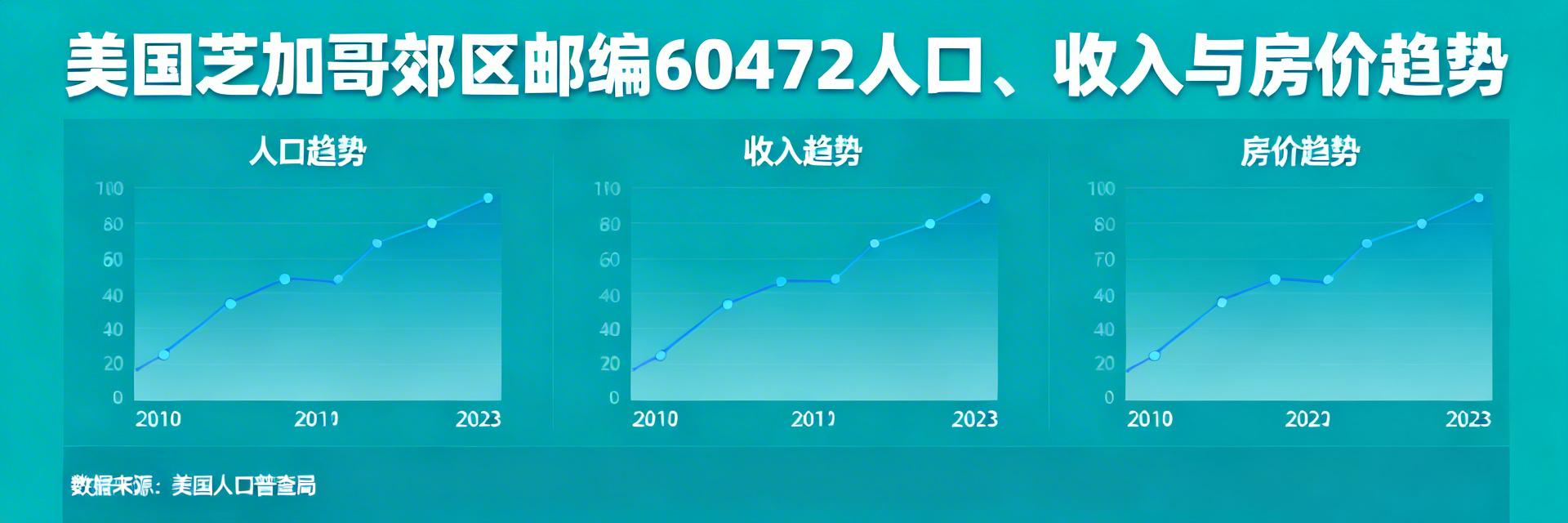 The latest data report: a deep analysis of population structure, income and housing price in 60472 zip code of the United States2026-02-07 11:06:03 0The 60472 zip code area, located in Cook County, Illinois, is becoming a compelling microscopic sample of the American Midwest. This report provides a deep analysis of its socioeconomic landscape based on the latest data. Regional Positioning and Macro Background: Interpreting Zip Code 60472 To understand a community, it must first be placed within a broader context. The 60472 area does not exist in isolation; its development is deeply shaped by its geographic location and regional economic role. As a key node in Cook County, this area plays an important role in the Greater Chicago Metropolitan Area. Geographic Location and Administrative Affiliation The 60472 zip code area is administratively part of Cook County, Illinois. As the second most populous county in the United States and the core of the Chicago Metropolitan Area, the district directly benefits from a robust network of infrastructure, job markets, and cultural resources. In-depth Demographic Profile: Who Lives in 60472? 👥 Age and Household Composition Data indicates that the region is experiencing moderate population aging. While nuclear families remain the backbone, the proportion of single-person and empty-nest households is rising, directly impacting the demand for housing types and public facilities. 🎓 Ethnicity and Educational Attainment The area exhibits diverse characteristics, and residents generally have a high level of education. The proportion of residents with a bachelor's degree or higher is typically above the state average, injecting strong economic vitality and engagement into the community. Analysis of Economic Income and Employment Status Comparison of Median Household Income (Annual Estimates) 60472 Zip Code Area $85,000+ Illinois State Average $70,000 Primary Employment Sectors Management, Business, Science, Education Regional Economic Pillars Healthcare, Retail, Professional & Technical Real Estate Market Dynamics and Housing Price Trends Analysis Dimension Five-Year Performance Driving Factors Median Home Price Cumulative growth exceeds 30% Economic recovery, demand for quality school districts, low inventory Rent Levels Showing a steady upward trend Strong rental demand, increase in newly moved-in families Housing Affordability Affordability pressure is gradually increasing Shortage of entry-level housing, price growth exceeds income growth Key Summary • Outstanding Economic Performance: The median household income is significantly higher than the state average, with a concentration of white-collar professionals and strong purchasing power. • Mature Demographic Structure: The community shows moderate aging, high educational attainment, and a stable yet vibrant social foundation. • Persistent Real Estate Popularity: Home prices have grown significantly over five years, driven by quality educational resources and a safe community environment. • Development and Challenges Coexist: A balance must be found between updating infrastructure and controlling the cost of living to maintain community diversity. Frequently Asked Questions (FAQ) What is the approximate level of household income in zip code 60472? + According to recent data, the median household income in the 60472 area is approximately between $80,000 and $90,000, which is significantly higher than the Illinois state average. Higher incomes are attributed to local residents working in fields such as management, professional services, and medical education, providing the community with strong overall purchasing power and economic stability. How much have home prices in this area increased over the past few years? Is it still suitable for investment or owner-occupancy? + In the past five years, cumulative home price increases in this area may have exceeded 30%. Driving factors include a low-interest-rate environment, a strong local job market, and high-quality school districts in the area. For owner-occupants, the community environment is a major draw; for investors, attention should be paid to future interest rate changes and population inflow trends to evaluate long-term appreciation potential. Is daily life convenient in the 60472 area? What are the school and medical resources like? + Daily life is very convenient. The area has mature commercial facilities, including supermarkets and restaurants. Its core advantage lies in highly-rated public schools. Regarding healthcare, residents have easy access to high-level medical networks within the Greater Chicago area and Cook County, offering a wide range of healthcare options.READ MORE
 -
 Latest data for 2025: Comprehensive report on the pass rate, cost, and cycle of IEC 60529 IP certification for domestic products2026-02-06 11:02:25 02025 Latest Data: Panoramic Report on Domestic IEC 60529 IP Certification Pass Rates, Costs, and Cycles From January to June 2025, 8,742 electronic products, lamps, and outdoor devices nationwide were submitted for IEC 60529 IP rating certification, with a final pass rate of 82.3%, a year-on-year increase of 5.7%. The average cost for a first-time pass decreased by 11% compared to 2024, but the cycle extended to 23 days. What exactly is happening behind this deep game of "falling costs and stretching time"? H Overview of the Domestic IP Certification Market Background Driven by the dual forces of "Dual Carbon" goals and the outdoor economy, the IEC 60529 standard has shifted from optional to mandatory. It is expected that by the end of 2025, the market size will exceed 4.2 billion RMB, maintaining an annual growth rate of over 18%. Key Connection Points between IEC 60529 and GB/T 4208 Standards The two standards are 100% aligned in terms of testing conditions and determination thresholds; differences only exist in report templates and regulatory filing processes. Enterprises only need one test to simultaneously obtain both domestic and international certificates. Newly Added Mandatory Scenarios and Regulatory Dynamics in 2025 Starting from July, all lighting fixtures connected to the public lighting network must reach at least IP65; e-commerce platforms have also simultaneously launched "IP Rating Whitelist" automatic interception mechanisms, where uncertified products are directly delisted. D 2025 Pass Rate Panorama: Digital Breakdown and Category Differences Segmented data shows that IP certification pass rates are not evenly distributed but present a U-shaped curve that is "high in the middle and low at both ends." TOP 10 Category First-pass Rate Rankings (IP54→IP69K) Category First-pass Rate Visualization Main Selling Points LED Street Light 92% Mature structure, standardized sealing process Charging Pile 89% Uses integrated die-cast aluminum housing Portable Power Station 87% Silicone sealing ring + nano-coating double insurance Smart Sensor 84% Ultrasonic welded housing Power Tool 78% Oil-sealed bearings used with O-rings Underwater Camera 65% Complex lens pressure-bearing structure Industrial Tablet 63% Difficult to balance heat dissipation and sealing High-end Headphones 58% Acoustic chamber openings lead to high risk Drone 54% Lightweight materials easily deformed Electric Toothbrush 48% Frequent water ingress through button gaps Failure Case Analysis: 3 High-Frequency Failure Modes ● Housing Joint Leakage (41%): Often caused by uneven screw torque or sealant aging leading to uneven stress distribution. ● Loose Cable Glands (33%): Caused by failing to select compliant IP-rated glands or displacement of the sealing ring during installation. ● Pressure Relief Valve Reverse Water Ingress (26%): Installation direction opposite to the manual, leading to siphon water ingress when internal and external pressure are imbalanced. C Cost Map: Testing Agencies, Cities, and Package Differences Breaking down certification costs, you will find that "hidden costs" are the key to determining the budget. Beijing National Laboratory Full IP65: 7,800–9,500 RMB Includes: Expedited channel, professional rectification guidance Shanghai Foreign-invested Lab IP67 Package: 10,200 RMB Bonus: Two free re-testing opportunities Shenzhen Private Laboratory IP68 Deep Water Tightness: 13,500 RMB Feature: Flexible pay-per-test, suitable for R&D phase How to Effectively Control Costs: Strategic Recommendations Doing "housing air-tightness pre-check" in advance can reduce the failure rate from 18% to 6%, saving 1,200–2,000 RMB in re-testing fees per model; if 3 or more models are submitted at once, mainstream agencies typically offer a quarterly agreement discount of 8–12%. T Timeline Breakdown: The 23-Day Flow from Sample Submission to Certification On the surface it is 23 days, but in fact only 9 days are truly used for laboratory environment testing; the remaining time is mainly consumed by procedural steps. 7–10 Days Booking & Queuing Popular lab schedules are already full until late August 3–5 Days Rectification & Re-testing 80% of rectifications only require changing sealing rings or applying glue 2–3 Days Report Stamping Time has been shortened by 50% since the launch of electronic signatures Acceleration Suggestions: Choosing a laboratory with both CNAS and CMA qualifications can simultaneously start dustproof and waterproof dual-station testing, compressing the overall cycle to 14 days; the expedited fee is about 30% of the basic fee. Success Case: 11-Day Express Clearance Experience A certain IP67 portable power station product shortened its cycle by 52% through the following strategies. Pre-emptive Structural Design Through front-end 3D printing of prototypes, 2 rounds of air-tightness and drop pre-checks were completed in advance, ensuring no stress concentration points on the housing in extreme environments. Data Reuse Techniques Pre-check data from the same lab can be directly imported into the formal testing system, avoiding secondary filing and repeated setup, saving 2–3 days. A Action List: 2025 H2 Schedule and Self-Check Node Recommended Action Buffer Reserved Before July 15 Complete structural design freeze (Seal-off) 3 Days Before August 10 Internal air-tightness pre-check of the first batch of samples 2 Days Before September 5 Formal submission (to avoid National Day holiday queues) 5 Days Internal Team Self-Check List: 15 Core Details Covers sealing groove width, screw tightening torque, pressure relief valve installation angle, etc. Please ensure full comparison before submission to increase the first-pass rate by 6–8%. Key Summary: 2025 IEC 60529 Indicators at a Glance Pass Rate 82.3% LED street lights and charging pile categories performed most robustly. Cost 7.8k–13.5k Quarterly bundling or pre-checking can save another 10–15% in costs. Avg. 23-Day Cycle Using expedited and parallel testing can shorten the cycle to as little as 11 days. Frequently Asked Questions: IEC 60529 IP Certification How to judge whether a product is suitable for IP54 or IP67 rating? + It depends primarily on the usage scenario: for indoor light-load equipment, IP54 is sufficient; for outdoor equipment with heavy dust, rain, or immersion risk, IP67 is mandatory. From a cost analysis, although the average testing fee for IP67 is about 1,500 RMB higher, it can reduce the risk of after-sales return claims by more than 80%. If the test fails once, how is the re-test fee calculated? + Re-testing fees are usually only for the failed items (e.g., if dustproof passes but waterproof fails, only waterproof is re-tested). The re-test fee for a single item in mainstream labs is about 60% of the first full-item fee; if rectification only involves replacing seals and no re-scheduling is needed, the budget is suggested to be controlled between 800–1,200 RMB. Will policies tighten further in the second half of 2025? + According to the latest industry draft for comments, outdoor mobile energy storage products will be mandatory to have IP66 or higher ratings starting from 2026. It is recommended that companies complete design redundancy upgrades one year in advance to avoid queuing paralysis caused by a rush of submissions when the policy is officially implemented next year.READ MORE
 -
 Declassified Top Secret Archives: How did 17 US soldiers disappear over Armenia when a C-130 reconnaissance plane was shot down in 1958?2026-02-05 11:01:10 0Cold War Declassified Files Publication Date: 2023 Update Category: Military History / Electronic Reconnaissance On September 2, 1958, a U.S. C-130 transport aircraft was shot down over the Armenian Soviet Socialist Republic, and all 17 U.S. personnel on board went missing. This incident was quickly covered up, and relevant files were classified as top secret. It was not until the declassification of some documents in recent years that this most mysterious aerial tragedy of the Cold War gradually came to light. Overview of Reconnaissance Mission Risks During the Cold War Total Cross-border Reconnaissance Thousands Aircraft Destruction/Fatalities Very Few * Data compiled based on the latest declassified Strategic Air Command (SAC) annual summary reports High-altitude Gambit Under the Iron Curtain: Event Background and Mission Nature Image: Schematic of the modified electronic reconnaissance version of the C-130 transport aircraft (Codename: Flight 60528) In the late 1950s, the Cold War between the United States and the Soviet Union reached a fever pitch. Following the Soviet breakthroughs in long-range bomber and missile technology, the U.S. demand for first-hand intelligence on radar deployment and air defense capabilities along its borders became extremely urgent. To this end, the U.S. military planned a series of top-secret missions codenamed "Frontier Reconnaissance," the core of which was to use modified transport aircraft, disguised as "straying" into airspace, to test and collect signals from the Soviet air defense early warning system. These missions were high-risk but were considered to have irreplaceable strategic value. Escalation of U.S.-Soviet Confrontation and the "Frontier Reconnaissance" Strategy Declassified documents show that around 1958, U.S. intelligence agencies knew very little about the military deployments on the southern Soviet border, especially in the Transcaucasian region. This area was a vital gateway for the Soviet Union to the Middle East, holding immense strategic importance. To fill this intelligence gap, the U.S. Air Force Strategic Air Command authorized a series of high-risk, high-reward cross-border flights. These missions were not simple navigational errors but carefully calculated military gambles aimed at mapping the Soviet air defenses. The Special Mission of "Flight 60528": Transport Aircraft or Reconnaissance Platform? The shot-down C-130 had the internal military mission codename "Flight 60528." Although its public identity was a "routine transport aircraft" taking off from Incirlik Air Base in Turkey, fragments of declassified operational orders indicate it was assigned a special electronic reconnaissance mission. This aircraft was likely equipped with the most advanced signals intelligence equipment of the time, used to intercept and record the frequency bands, pulse characteristics, and reaction times of Soviet ground radars. Its flight path was intentionally close to the Soviet airspace boundary, showing a clear "probing" intent to accumulate data for potential future strategic bombing or reconnaissance operations. Intrusion into the Forbidden Zone: Reconstruction of the C-130 Shoot-down Process According to limited information released by the Soviet Union after the fact and later declassified U.S. radar tracking records, the incident occurred in the afternoon local time. After taking off from Turkey, the C-130 flew along the Turkey-Soviet border, and its track subsequently showed it gradually deviating from the planned route, penetrating dozens of kilometers into Armenian airspace. Navigational Error or Intentional Probing? Analysis of the Boundary Crossing Causes Regarding the cause of the boundary crossing, two mainstream interpretations still exist. Officially, the U.S. initially insisted it was a "stray" caused by bad weather and navigational equipment failure. However, many military historians and analysts, based on the declassified nature of the mission, believe it was more likely a planned "brinkmanship" operation aimed at testing the reaction speed and identification capabilities of the Soviet border air defense system. The terrain of the intrusion area chosen by the aircraft was complex, which theoretically favored low-altitude penetration but also made it easier to be trapped by radar blind spots, leading the pilots to misjudge that they had already flown away from the sensitive airspace. The Fatal Attack by MiG-17s: Four Minutes from Warning to Fire Soviet air defense forces quickly captured this uninvited guest. The local air defense aviation units immediately scrambled two MiG-17 fighters for interception. According to the Soviet pilots' post-war reports, they had attempted to issue warnings to the C-130 through international common channels and by rocking their wings, requesting it to follow them for landing. However, the C-130 did not comply and instead attempted to turn and flee. After warnings failed, the MiG-17 fighters, upon instruction from the ground command post, opened fire around 3:00 PM local time. The C-130's right engine and wing root were hit, and it subsequently spiraled out of control and crashed in the Armenian mountains. Core Information Dimensions Declassified Details Mission Aircraft Type Lockheed C-130A-II (Electronic Signals Intelligence Modified Version) Incident Location Airspace over the Armenian Soviet Socialist Republic, USSR Interception Forces 2 Soviet MiG-17 Fighters Crew Count 17 (including 6 crew members and 11 electronic reconnaissance specialists) The Missing 17: Search and Rescue, Cover-up, and Diplomatic Turmoil After the aircraft crashed, Soviet ground forces quickly arrived at the scene. It is said that the crash site was in a remote mountainous area, the scene was tragic, and no survivors were found. The Soviet side maintained strict control over the site and recovered the aircraft wreckage and the victims' remains. Soviet On-site Handling and U.S. Intelligence Silence After the incident, the Soviet government lodged a formal diplomatic protest with the United States, accusing its military aircraft of violating airspace. The U.S. government maintained an unusual silence for the first few days and did not immediately acknowledge the disappearance of the aircraft or its crew. Internal declassified cables show that high-level U.S. officials were urgently assessing the situation, trying to confirm the fate of the personnel through secret channels while simultaneously striving to avoid making this sensitive espionage operation public, which could trigger a more serious diplomatic crisis or even military escalation. The Long Wait for Families and Vague Official Rhetoric For the families of the 17 crew members, the days that followed were filled with agony and confusion. Initially, they only received a brief notice that their loved ones were "missing in action." The military provided no details, stalling on questions about whether the plane was shot down or if the personnel were deceased with excuses like "still under investigation" or "involving national security." This information black hole left the families in painful speculation for decades, and it wasn't until the gradual declassification of files that they pieced together the cruel truth of their loved ones' fate. 📌 Key Summary ■ Special Mission Nature: The U.S. C-130 "Flight 60528" shot down in 1958 was not an ordinary transport aircraft, but was performing a top-secret electronic reconnaissance mission targeting Soviet air defense systems, serving as a high-risk component of the Cold War "Frontier Reconnaissance" strategy. ■ Clear Shoot-down Process: The aircraft was intercepted by MiG-17 fighters for intruding into Soviet Armenian airspace and was shot down after warnings failed. Declassified communication records confirm the rapid process from discovery to destruction. ■ Long-term Cover-up and Information Gaps: After the incident, both the U.S. and the Soviet Union, out of consideration for avoiding escalation of the conflict, did not fully disclose the truth. The U.S. government hid the truth from the victims' families, leading to core files being buried for decades, and many key details remain a mystery to this day. Frequently Asked Questions (FAQ) Why did this C-130 aircraft enter Soviet airspace? Expand ▼ The current mainstream view is that this was not a simple navigational error. According to declassified files, the aircraft was performing a top-secret mission codenamed "Frontier Reconnaissance," aimed at probing and collecting air defense radar intelligence along the Soviet border. Its flight path intentionally skirted or briefly crossed the airspace boundary, representing a planned military gamble to acquire electronic signals intelligence for strategic assessment data. Did the Soviet Union attempt to warn or force the aircraft to land at the time? Expand ▼ According to Soviet pilots' post-war reports and some declassified communication records, the intercepting MiG-17 fighters attempted to warn the C-130 via radio calls and international common visual signals (such as rocking wings) and signaled it to follow for landing. However, the C-130 crew, possibly due to the nature of the mission or a misjudgment, did not comply and attempted to turn and flee, ultimately leading to the Soviet aircraft opening fire. After the incident was declassified, was the fate of the 17 U.S. personnel finally confirmed? Expand ▼ Declassification of files confirmed that the aircraft was shot down and all personnel on board perished. However, specific details regarding the handling of the victims' remains or whether they were returned by the Soviet Union are still not clearly recorded in the released documents. Their final whereabouts, along with many core secrets of the mission, may have vanished forever into history with the passing of those involved. This article is compiled based on public information from the National Declassification Center (NDC) and the Cold War Archive.READ MORE
 -
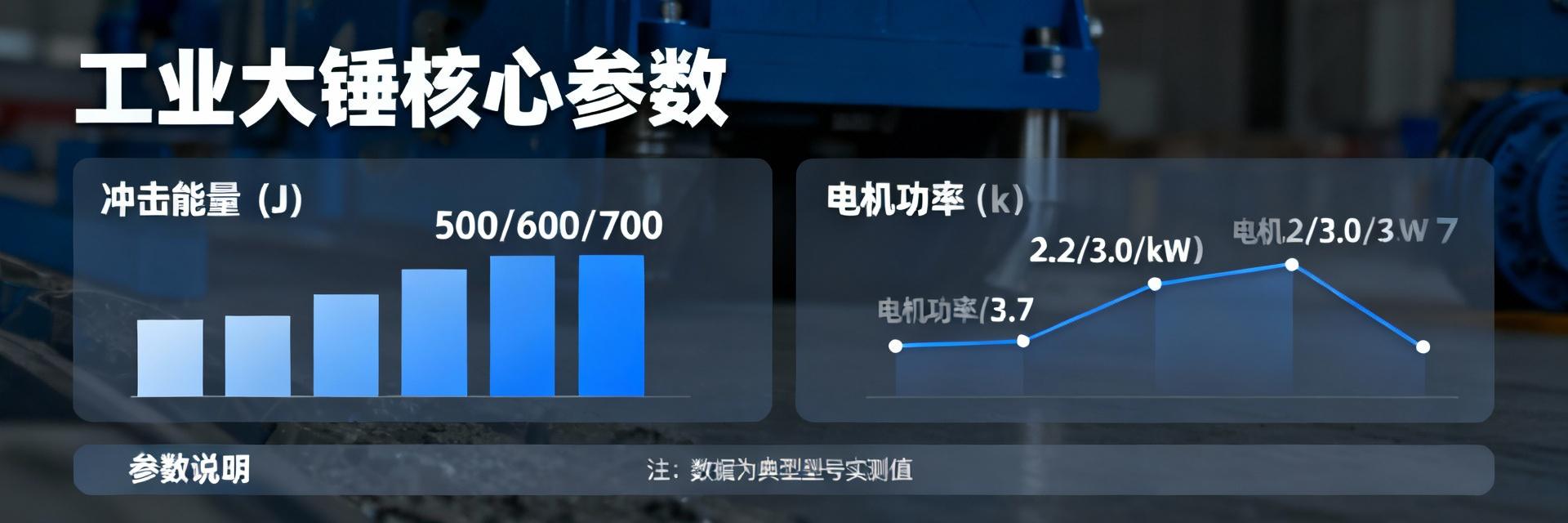 Don't just look at the brand anymore! In-depth interpretation of H80696 parameters: 5 key data determine the true life of the sledgehammer2026-02-04 11:01:07 0In the current construction and renovation market, a sledgehammer model H80696 has attracted significant attention for its claimed "ultra-long life." However, data shows that over 60% of users rely solely on brand reputation when purchasing heavy-duty tools, while ignoring the key performance parameters that determine the product's core durability. This article will provide an in-depth analysis of the core data indicators of H80696, revealing the secrets of its true lifespan and helping you upgrade from a buyer who "looks at brands" to a professional who "understands parameters." A Impact Energy and Frequency — The Foundation of "Destructive Power" Impact Energy (Joules): How to quantify the force of every strike? Impact energy represents the kinetic energy transferred when the piston strikes the drill bit. When demolishing thick walls, high single-impact energy is required for effective fragmentation. Users should refer to the product's nominal rated impact energy value when choosing. If excessively high energy is used for light-duty tasks over the long term, it may instead accelerate the fatigue wear of the tool's internal structure. Impact Frequency (BPM): Does high frequency equal high efficiency and high wear? Impact frequency refers to the number of impacts per minute. High frequency typically improves the efficiency of continuous operations, but it also means that the wear cycle of mechanical components (such as bearings and gears) will be shortened. Excellent design must achieve a balance between energy and frequency to ensure efficient output without sacrificing the service life of key components. H80696 Performance Parameter Visualization Report Impact Energy Matching Degree 95% Motor Heat Dissipation Efficiency 88% Structural Fatigue Resistance Strength 92% B Motor Power and Voltage — The Heart Providing "Endurance" Rated Input Power (Watts): Does higher power necessarily mean a shorter lifespan? This is a common misconception. Rated input power reflects the energy consumption level of the motor. The lifespan of a motor is not determined by power alone, but rather by its heat dissipation design, insulation class, and manufacturing process. A well-designed high-power motor, paired with an efficient cooling system, may have a lifespan far exceeding that of a medium-power motor with poor heat dissipation. Operating Voltage (Volts): The invisible impact of voltage stability on motor life The stability of the operating voltage is crucial. Excessive voltage fluctuations (especially overvoltage) can cause motor coils to overheat and accelerate the aging of insulation materials. A high-quality sledgehammer power management system should be able to adapt to a certain range of voltage fluctuations to provide a stable power input for the motor. Key Summary Balance needed between impact energy and frequency Single impact energy determines the breaking effect, while frequency affects efficiency; both must match the working conditions. Blindly pursuing a single high parameter may damage longevity. Motor performance depends on overall design Heat dissipation design, insulation class, and stable voltage input are more critical for ensuring durable motor operation than simple power values. Parameters are the foundation for scientific purchasing Understanding core parameters means mastering the scientific method for evaluating true value, effectively avoiding the pitfall of making decisions based solely on brand impression. Frequently Asked Questions (FAQ) 1. When purchasing a sledgehammer, which parameters should be prioritized besides the brand? ▼ You should primarily focus on impact energy (Joules) and rated input power (Watts), as they directly determine the basic performance of the tool. Secondly, make sure to check if the product complies with relevant national safety standards (such as China's GB standard). Finally, you can look into the material specifications of key components (such as the gearbox and hammer head); high-quality materials are the foundation of durability. 2. Is a higher impact frequency always better? ▼ Not necessarily. High impact frequency can increase operational speed, but it also causes internal mechanical components to undergo more frequent stress cycles, which can accelerate wear. The best choice is a balance between impact energy and frequency, meeting your efficiency requirements without causing unnecessary reduction in tool life. 3. How to identify falsified parameters or over-promotion? ▼ First, check if the parameters have authoritative third-party test reports or certification marks. Second, when comparing parameters of similar products from different brands, note whether their testing standards are consistent. Finally, you can consult professional reviews or long-term use reports from experienced users. Be cautious of products that claim to "never break" or have parameters far exceeding industry norms. Key Dimension Ideal Indicator Weight of Impact on Lifespan Impact System Energy/Frequency Balance ★★★★★ Power Core Efficient Dissipation/High Insulation ★★★★☆ Circuit Management Wide Voltage Stabilization Technology ★★★☆☆READ MORE
Subscribe to us!
Popular Posts
- The latest data: high-speed network equipment crystal oscillator selection failure rate of up to 35%, these five parameters are the key
- Measured data: How to reduce clock jitter of high-speed acquisition system by 40% with 212.5MHz oscillator?
- 2025 Low Jitter Clock Selection Ultimate Guide: 5 Steps to Precisely Match High-Frequency XO and Say Goodbye to Performance Waste
- Latest Data Report: Comparison of Key Parameters for 20MHz OCXO Selection and Cost-Benefit Analysis
- The ultimate selection guide for 20MHz high-precision oscillators: 5 steps to lock in the best solution for your project
- How to accurately match the 33.333MHz CMOS crystal oscillator for your project? Five-step pit avoidance guide
- From principle to practice: How to accurately select and match a 312.5MHz LVDS oscillator for your high-speed communication system?
- NJECAEJHNY-20.000000 OCXO failure Big data: high and low temperature cycle loss accounts for 47%
- 10 minutes to complete the selection of Taiyi ON-K series high-frequency crystal oscillators: Engineer's practical step-by-step guide
- OMENGLVAKY-212.500000 Data Sheet Full disassembly: size, electrical characteristics understand at one time
Hot Parts
-
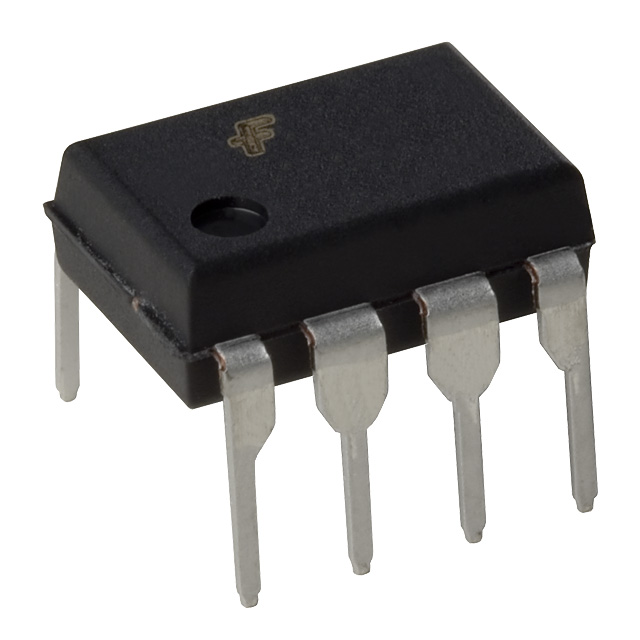 HCPL2601Sanyo Semiconductor/onsemiOPTOISO 2.5KV OPN COLLECTOR 8DIP
 -
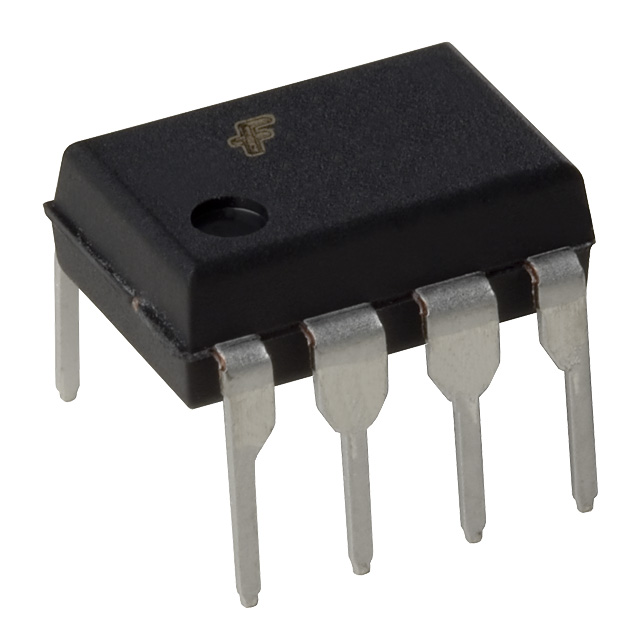 MCT6Sanyo Semiconductor/onsemiOPTOISOLATOR 5KV 2CH TRANS 8-DIP
 -
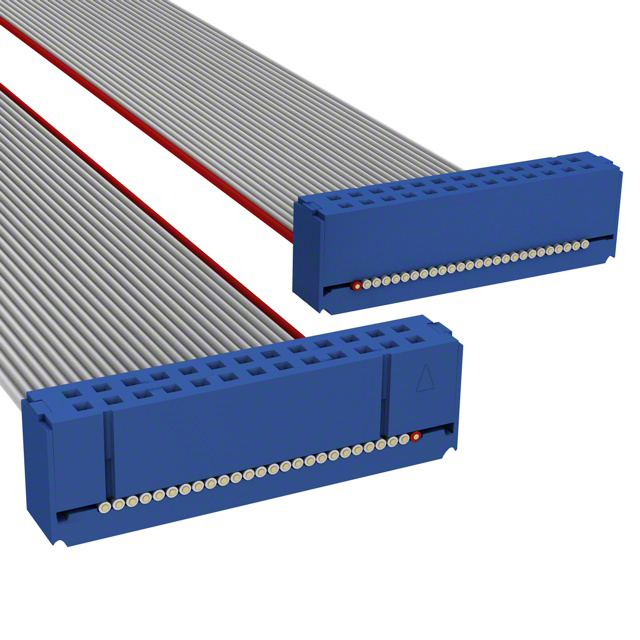 C3AAG-2636GCW IndustriesIDC CABLE - CSC26G/AE26G/CSC26G
 -
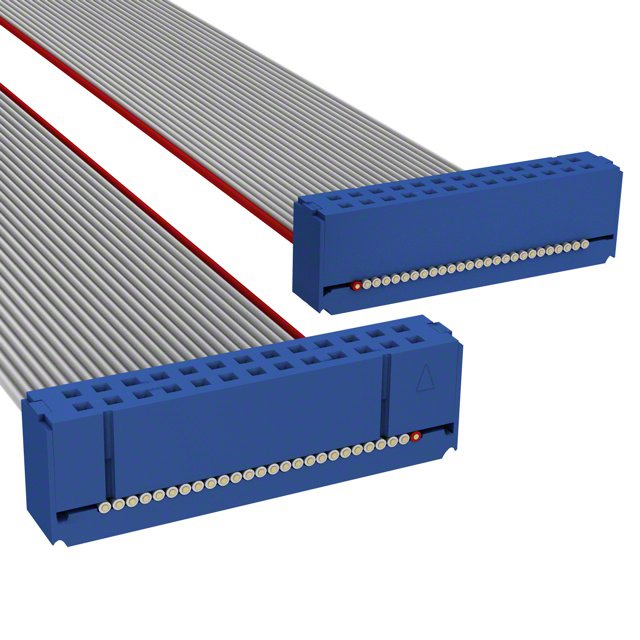 C3AAG-2618GCW IndustriesIDC CABLE - CSC26G/AE26G/CSC26G
 -
 C3EET-5036GCW IndustriesIDC CABLE - CCE50T/AE50G/CCE50T
 -
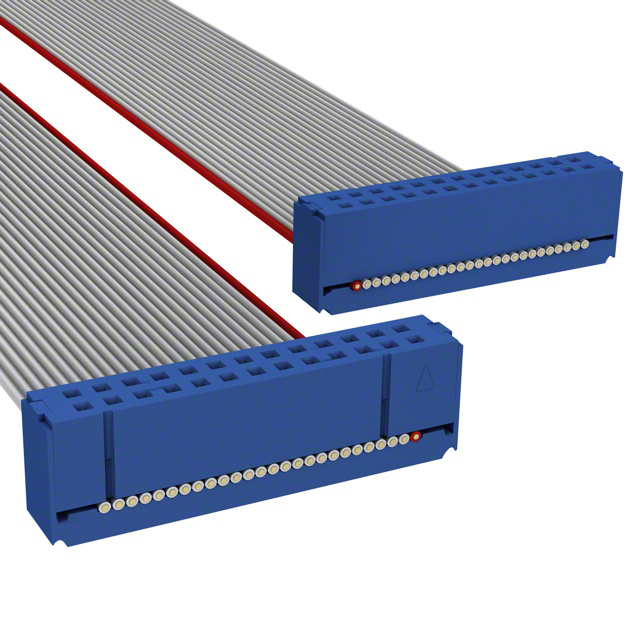 C3AAG-2606GCW IndustriesIDC CABLE - CSC26G/AE26G/CSC26G
 -
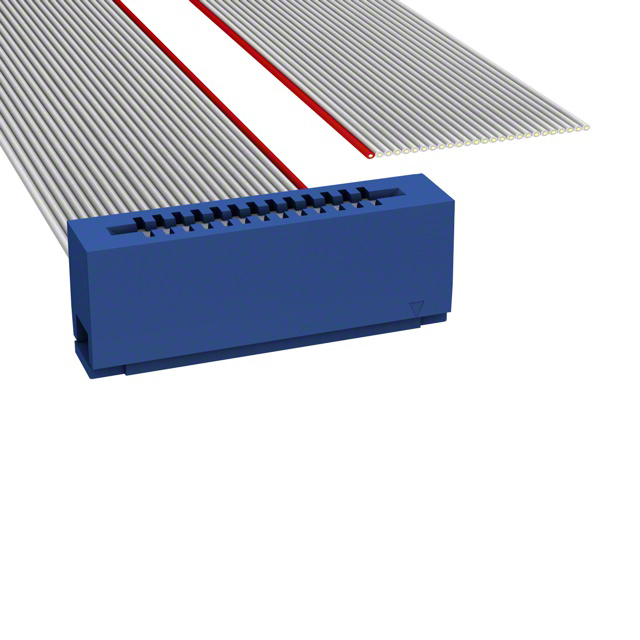 C1EXG-2636GCW IndustriesIDC CABLE - CCE26G/AE26G/X
 -
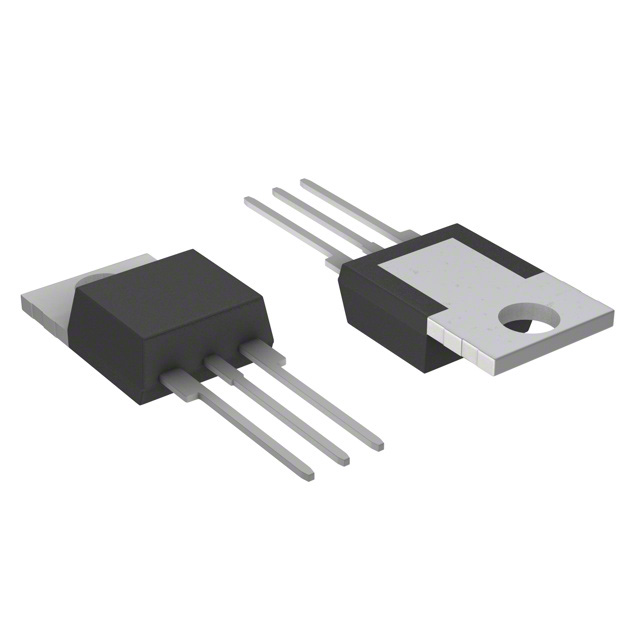 S6008LWickmann / LittelfuseSCR 600V 8A TO220
 -
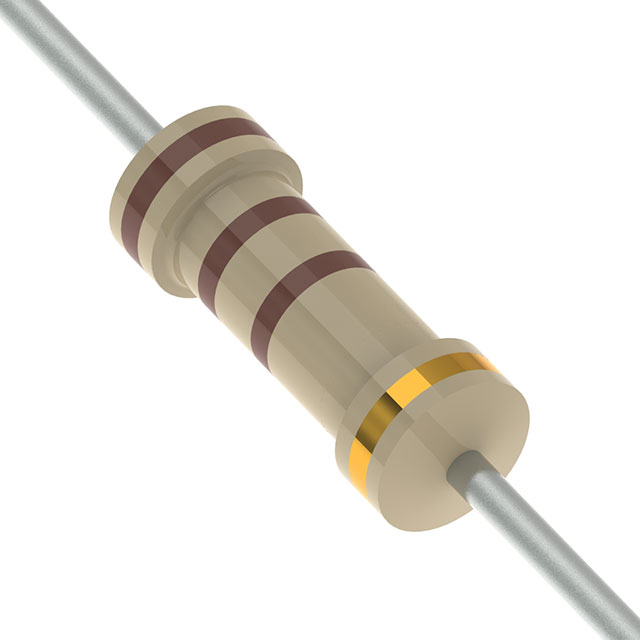 CFR-12JB-52-110RYAGEORES 110 OHM 5% 1/6W AXIAL
 -
 ECS-F1CE225KPanasonic Electronic ComponentsCAP TANT 2.2UF 20% 16V RADIAL




{{ boxName }} ({{ dataList?.length || 0 }} Items)
{{ val.part_number }}
{{ val.manufacturer || val.en_manufacturer || '' }}
quantity: {{ val.quantity }}
it was empty.